“Grain size” search results (300)

Costa Rican coffee beans with full grain flavor and taste
Located about 30 kilometers northeast of San Jose, Costa Rica's capital, this research center belongs to the Costa Rica Coffee Association, which is Costa Rica's national research institution for coffee planting, breeding and quality inspection of Brazilian coffee. In addition, it also has 10 hectares of experimental fields planted with many excellent varieties. Coffee is Costa Rica's main agricultural product, producing more than 2 million bags a year.
2016-07-15 Granular Full Costa Rica Fine Coffee Bean Flavor Taste Manor Region
Three steps to buy coffee beans
1. Grab a handful of coffee beans and feel whether they are solid beans with the palm of your hand. 2. Whether it is enough to smell the aroma close to the nose. 3. Put a bean into your mouth and bite it twice. There is a clear sound indicating that the bean is well preserved and not damp. If you want to buy a single product of coffee beans, grab one in the palm of your hand, in addition to the above judgment, but also take a look at the color of each bean.
2014-08-25 Shopping coffee beans steps a handful palms feeling whether real
Yemeni coffee flavor Yemeni coffee characteristics Yemeni coffee taste
Yemeni coffee originated from Arabian coffee trees hundreds of years ago, all produced in areas above 3000 feet above sea level. For hundreds of years, the unique planting and production methods of Yemeni coffee have remained almost unchanged. The seedlings of Yemeni coffee trees are first cultivated in nurseries and then transplanted to high elevations. Pesticides and fertilizers are not used in the breeding process. Mature coffee beans are naturally dried on coffee trees and shelled by stone grinding.
2016-08-29 Yemen coffee flavor characteristics taste origin hundreds years ago
A few steps to buy coffee beans
1. Grab a handful of coffee beans and feel whether they are solid beans with the palm of your hand. 2. Whether it is enough to smell the aroma close to the nose. 3. Put a bean into your mouth and bite it twice. There is a clear sound indicating that the bean is well preserved and not damp. If you want to buy a single product of coffee beans, grab one in the palm of your hand, in addition to the above judgment, but also take a look at the color of each bean.
2014-07-11 Coffee knowledge buying coffee beans coffee bean selection coffee encyclopedia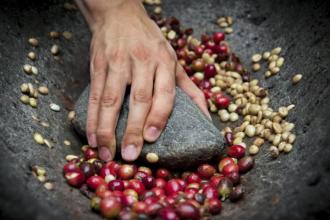
Refreshing and refreshing Yemeni coffee flavor, characteristics, taste and manor
Yemeni coffee originated from Arabian coffee trees hundreds of years ago, all produced in areas above 3000 feet above sea level. For hundreds of years, the unique planting and production methods of Yemeni coffee have remained almost unchanged. The seedlings of Yemeni coffee trees are first cultivated in nurseries and then transplanted to high elevations. Pesticides and fertilizers are not used in the breeding process. Mature coffee beans are naturally dried on coffee trees and shelled by stone grinding.
2016-08-30 Refreshing refreshing endless aftertaste Yemen coffee flavor specialty mouth
Introduction of varieties of Kilimanjaro Coffee Flavor description and Grinding degree treatment in Tanzania
Tanzania's main coffee producing area, located at the foot of Mount Kilimanjaro, is rich in volcanic soil. Some coffee trees planted here are more than 100 years old. Coffee was first introduced by Christians from Kenya to grow coffee. Coffee trees must be carefully taken care of, weeded and fertilized. And old branches must be cut off so that new branches can grow to maintain the quality of coffee beans.
2016-10-11 Tanzania Kili Mazar Luo coffee coffee flavor description grinding characteristics
How to judge the classification, quality and taste of coffee beans
a. Washing type / non-washing type: in the sink, after rubbing with water and utensils, the pulp and gum are removed and dried, which is called washed coffee beans with uniform quality. Non-washing type: after the sun is naturally dried, the pulp and peel is removed by a sheller, and its quality is unstable. b. The fruit of flat bean / round bean coffee is made up of two oval seeds opposite each other. The connected side
2016-01-20 Coffee beans specifications grades how judgment classification quality taste good or bad
Fragrant and persistent Yemeni boutique coffee beans introduce Yemeni mocha coffee
There are many varieties of Yemeni coffee, most of which are named after their origin and type, with different flavors, such as fresh wood, tobacco, musk, fruit wine, roasted nuts, cocoa and warm seasonings, especially Moha coffee. At present, Yemeni Moha coffee is the most famous Yemeni Moha coffee on the market, such as Isemary, Matari, Sanani and so on. Sanani coffee has medium grain size and fruit wine style.
2016-07-13 Fragrance fragrance persistence Yemen boutique coffee beans introduction mocha coffee
The flavor and taste of Sidamo Coffee Manor Ted Manor
From the bean shape, this bean is a typical Ethiopian, small grain, the size is not very uniform, and the color is the characteristic of typical sun treatment, so it is specially compared with Harald to have the most direct grasp of the coffee flavor) to ensure the quality of each batch. Before the harvest season, Trabocca invites selected smallholder organizations / producers to participate in the production of micro-batches of coffee (about 1500
2016-07-15 Dharma Coffee Manor producing area Flavor palate introduction Ted beans
Boutique Coffee legends about Coffee
Coffee flowers carved white jade leaves, coral beads knot. Looking at the coffee in the rain, I couldn't bear to go back. The flowers often bring rain, and the smell is as strong as milk. The mountain birds call at night and pick up fallen pearls in the Ming Dynasty. Walk into the coffee garden in May or June and see the oval pea-sized coffee fruit you won't let me. I will press you, you are next to me, and I squeeze you, gathering in the petioles one by one and bending the branches.
2014-12-01 Boutique coffee about legends gray jade leaves corals beads rain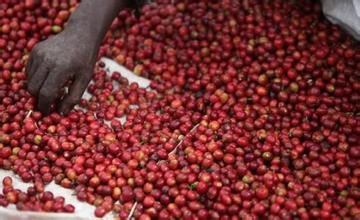
Refreshing, giving people an endless aftertaste of Yemeni coffee flavor, characteristics, taste and manor
Yemeni coffee originated from Arabian coffee trees hundreds of years ago, all produced in areas above 3000 feet above sea level. For hundreds of years, the unique planting and production methods of Yemeni coffee have remained almost unchanged. The seedlings of Yemeni coffee trees are first cultivated in nurseries and then transplanted to high elevations. Pesticides and fertilizers are not used in the breeding process. Mature coffee beans are naturally dried on coffee trees and shelled by stone grinding.
2016-08-30 Refreshing refreshing endless aftertaste Yemen coffee flavor specialty mouth
Legend of Coffee basic knowledge of Fine Coffee beans
Coffee flowers carved white jade leaves, coral beads knot. Looking at the coffee in the rain, I couldn't bear to go back. The flowers often bring rain, and the smell is as strong as milk. The mountain birds call at night and pick up fallen pearls in the Ming Dynasty. Walk into the coffee garden in May or June and see the oval pea-sized coffee fruit you won't let me. I will press you, you are next to me, and I squeeze you, gathering in the petioles one by one and bending the branches.
2015-04-28 Coffee legends boutiques coffee beans basics common sense
Introduction to the manor of Yemeni boutique coffee beans with rich and long-lasting flavor
There are many varieties of Yemeni coffee, most of which are named after their origin and type, with different flavors, such as fresh wood, tobacco, musk, fruit wine, roasted nuts, cocoa and warm seasonings, especially Moha coffee. At present, Yemeni Moha coffee is the most famous Yemeni Moha coffee on the market, such as Isemary, Matari, Sanani and so on. Sanani coffee has medium grain size and fruit wine style.
2016-07-14 Fragrance fragrance persistence Yemen boutique coffee beans flavor taste producing area manor
Yemeni Coffee with different flavors the characteristics of manor producing area introduce Yemeni coffee brands
There are many varieties of Yemeni coffee, most of which are named after their origin and type, with different flavors, such as fresh wood, tobacco, musk, fruit wine, roasted nuts, cocoa and warm seasonings, especially Moha coffee. At present, Yemeni Moha coffee is the most famous Yemeni Moha coffee on the market, such as Isemary, Matari, Sanani and so on. Sanani coffee has medium grain size and fruit wine style.
2016-07-25 Flavor different Yemen coffee taste manor producing area characteristics introduction brand
Fragrant and persistent Yemeni Coffee introduction to Yemeni Fine Coffee beans Flavor and Taste Manor
There are many varieties of Yemeni coffee, most of which are named after their origin and type, with different flavors, such as fresh wood, tobacco, musk, fruit wine, roasted nuts, cocoa and warm seasonings, especially Moha coffee. At present, Yemeni Moha coffee is the most famous Yemeni Moha coffee on the market, such as Isemary, Matari, Sanani and so on. Sanani coffee has medium grain size and fruit wine style.
2016-07-26 Fragrance fragrance persistence Yemen coffee introduction boutique coffee beans flavor taste
How many varieties of coffee are there in El Salvador?
Taste characteristics: moderate acidity, elegant and sweet flavor. The coffee beans grown in Arabica, especially the AA grade (large-grain beans), are the best. Sour representatives: mocha, Hawaiian sour coffee, Mexican Guatemala, Costa Rican highlands, Kilimanjaro, Colombia, Zimbabwe, El Salvador, Western Hemisphere washing high-grade new beans are also sour.
2016-05-23 El Salvador how much coffee variety sour taste characteristic acidity moderate wind
The legend of coffee the story of the discovery of coffee
Coffee flowers carved white jade leaves, coral beads knot. Looking at the coffee in the rain, I couldn't bear to go back. The flowers often bring rain, and the smell is as strong as milk. The mountain birds call at night and pick up fallen pearls in the Ming Dynasty. Walk into the coffee garden in May or June and see the oval pea-sized coffee fruit you won't let me. I will press you, you are next to me, and I squeeze you, gathering in the petioles one by one and bending the branches.
2015-02-07 Coffee legends about discovered stories coffee gray jade leaves corals beads
Yemeni Moha Coffee the latest introduction of Yemeni coffee Yemeni coffee has a unique flavor
Yemeni coffee originated from Arabian coffee trees hundreds of years ago, all of which are produced in areas above 3000 feet above sea level. For hundreds of years, the unique planting and production methods of Yemeni coffee have remained almost unchanged. The seedlings of Yemeni coffee trees are first cultivated in nurseries and then transplanted to high elevations. Pesticides and fertilizers are not used in the breeding process. Mature coffee beans are naturally dried on coffee trees and shelled by stone mill.
2015-11-29 Yemen Moha Coffee latest introduction Flavor unique from
Introduction of Yemeni mocha Coffee Flavor and Taste the practice of Mocha Coffee Yemen Moha Coffee introduces boutique coffee
There are many varieties of Yemeni coffee, most of which are named after their origin and type, with different flavors, such as fresh wood, tobacco, musk, fruit wine, roasted nuts, cocoa and warm seasonings, especially Moha coffee. At present, Yemeni Moha coffee is the most famous Yemeni Moha coffee on the market, such as Isemary, Matari, Sanani and so on. Sanani coffee has medium grain size and fruit wine style.
2016-07-11 Yemen Mocha coffee flavor taste introduction practice Moha boutique
Requirements of Ecological Environment for planting Coffee trees
Small seed coffee is native to the lower part of the Ethiopian rainforest in northern Africa. The temperature is relatively low, with an average annual temperature of 20 degrees. The origin of medium-grain coffee is near the equator. Therefore, small seed coffee has stronger cold tolerance and wider adaptability than medium grain coffee. Medium-grain coffee requires a slightly higher temperature.
2014-09-02 Coffee knowledge coffee tree planting environmental requirements coffee beans